
For New York homeowners and commercial property decision-makers, high electric bills are a constant pressure, especially with rates from utilities like ConEd and PSEG Long Island on the rise. Whether you're in a Suffolk County home, a Manhattan high-rise, or managing a commercial facility upstate, the financial strain is real. Seeing another expensive bill can be frustrating, but you have more control than you think. This guide provides actionable ways to reduce electric bills that deliver cost savings, energy independence, and environmental benefits.
This guide moves beyond generic advice. We've compiled 10 powerful strategies, ranging from immediate, low-cost adjustments to transformative long-term investments. This isn't just about turning off lights; it's about making strategic upgrades that deliver measurable results and a strong return on investment. To truly take control of your energy expenses, explore these proven tips to effectively lower your electric bill.
This list is tailored for New Yorkers, providing practical steps you can take to reclaim your budget and power your property smarter. We'll cover everything from smart thermostats and insulation to the ultimate solution for energy independence: clean, reliable solar power. Ready to cut your costs for good? Start with these proven methods designed to put money back in your pocket.
1. LED Lighting Conversion
One of the most immediate and effective ways to reduce electric bills involves a comprehensive switch to Light Emitting Diode (LED) lighting. Unlike traditional incandescent bulbs that waste about 90% of their energy as heat, LEDs use a semiconductor to convert electricity directly into light. This process makes them up to 80% more efficient and extends their lifespan by as much as 25 times, delivering significant cost savings and reducing your environmental footprint.
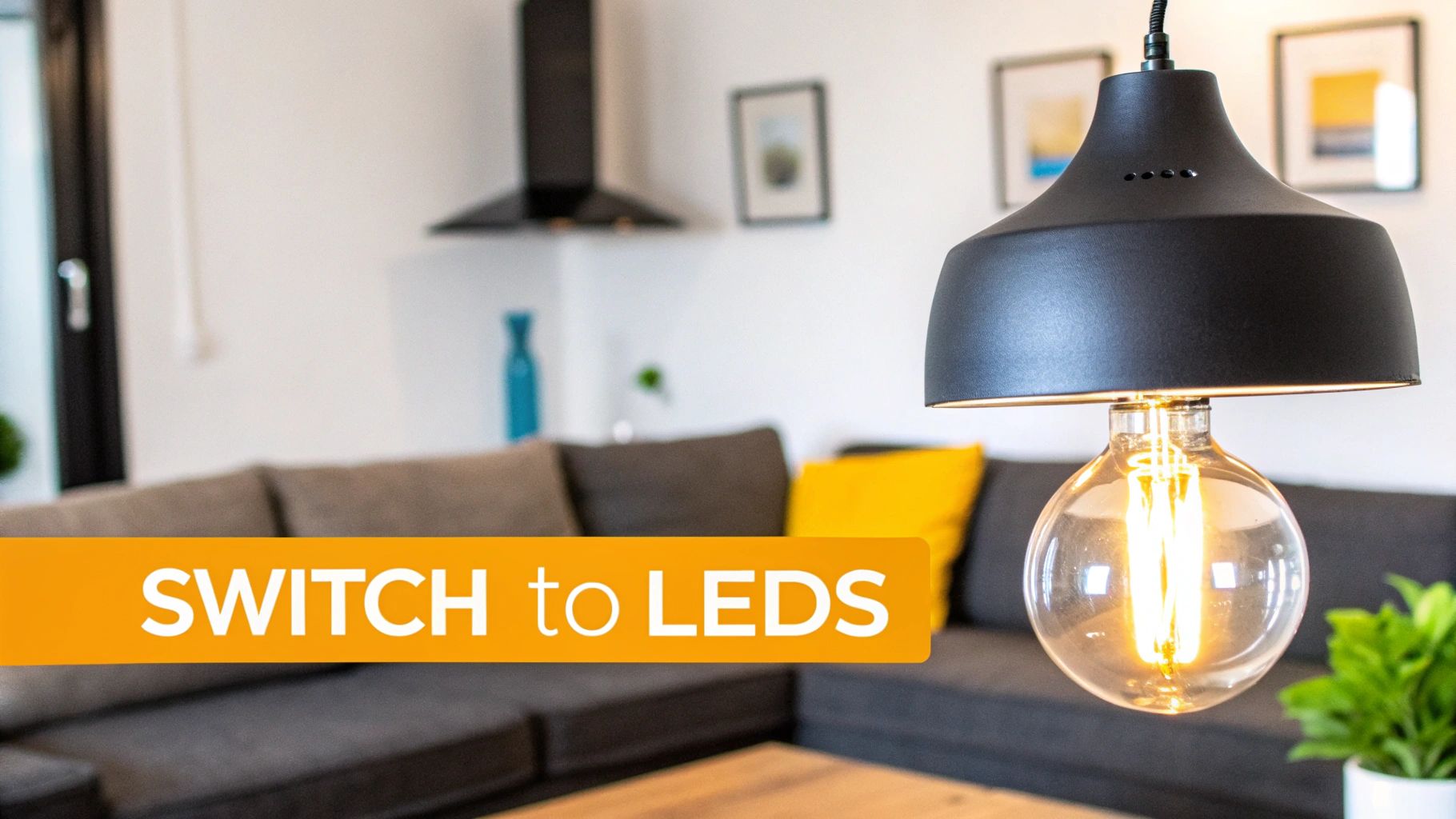
The impact of this simple change is significant. Consider that New York City began converting over 250,000 streetlights to LEDs, a move projected to save taxpayers about $14 million annually in energy and maintenance costs. For a commercial property on Long Island or a multi-family apartment complex in Queens, this translates to substantial operational savings. Homeowners in towns like Huntington or Islip can see an immediate drop in their PSEG bills.
How to Implement Your LED Conversion
Making the switch is straightforward, but a strategic approach maximizes your return on investment.
- Prioritize High-Use Areas: Start by replacing bulbs in frequently used spaces like kitchens, living rooms, lobbies, and office workspaces to see the quickest savings.
- Check for Certifications: Always look for the ENERGY STAR label to ensure the bulb meets strict efficiency and performance standards. This is one of the easiest ways to reduce electric bills with a verified product.
- Match Bulb to Fixture: Ensure you choose the correct type of LED, especially for fixtures with dimmer switches, as not all LEDs are dimmable.
- Buy in Bulk: Many retailers offer discounts on multi-packs, making a full-scale conversion more affordable for both homeowners and businesses.
2. Smart Thermostat Installation
Upgrading to a smart thermostat is another high-impact strategy for reducing your electric bill, as your HVAC system is often the largest energy consumer in a home or commercial building. These intelligent devices replace traditional thermostats, using Wi-Fi, learning algorithms, and sensors to automatically optimize heating and cooling schedules. This automation eliminates the energy waste that comes from manually managing temperatures, leading to lower bills and enhanced comfort.
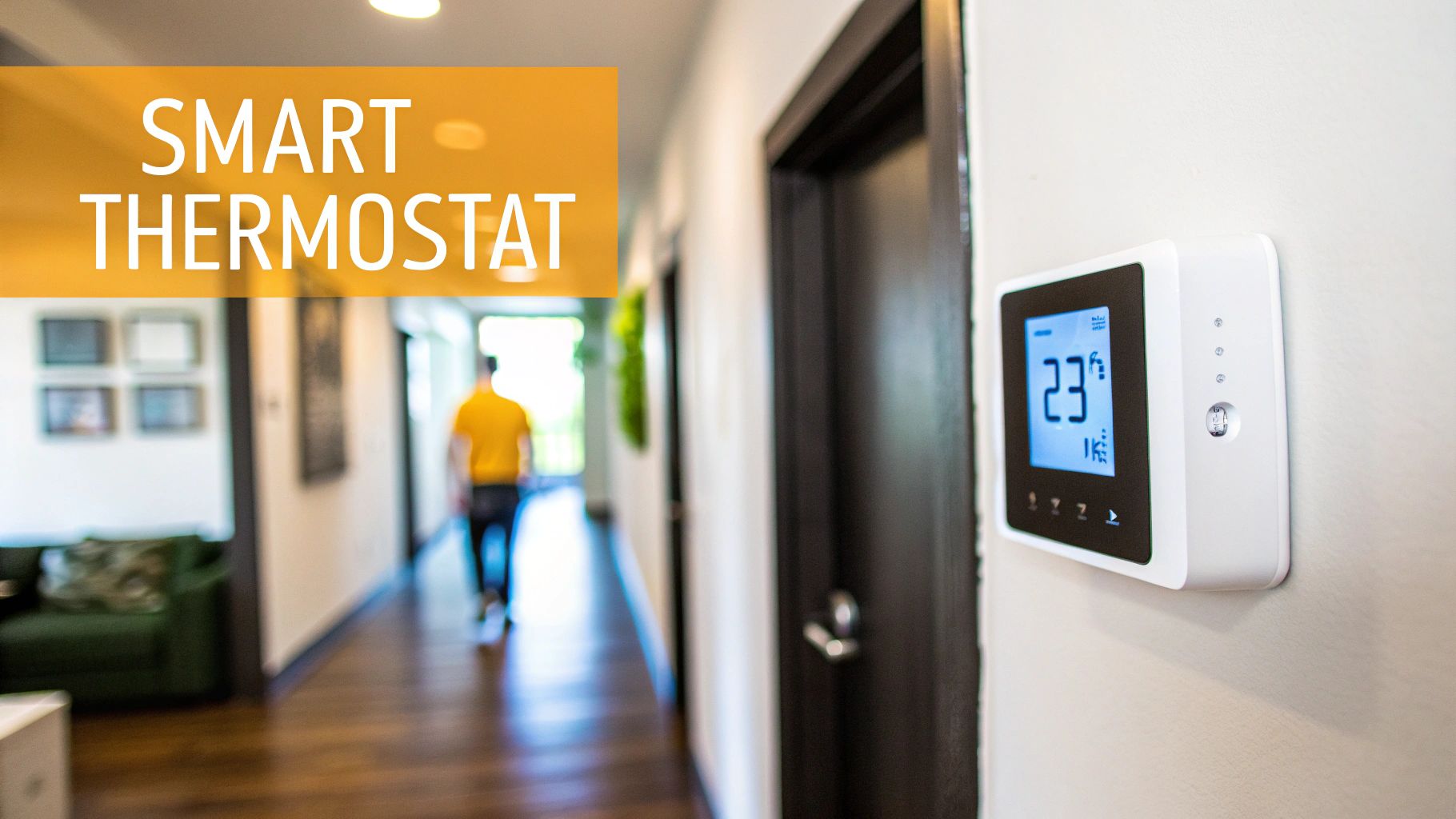
The savings are well-documented. For instance, Google's Nest thermostats report average savings of 10-15% on heating and cooling bills, which can translate to hundreds of dollars annually for a Long Island homeowner. Many New York utilities, including PSEG Long Island and Con Edison, offer substantial rebates and incentives through programs like the NYSEG Smart Savings Rewards, reducing the upfront cost of devices from brands like Ecobee and Honeywell and making the return on investment even faster.
How to Implement Your Smart Thermostat Upgrade
Proper installation and setup are key to unlocking the full energy-saving potential of a smart thermostat.
- Check for Utility Rebates: Before purchasing, visit your local utility provider's website (PSEG-LI, ConEd, etc.) to check for available rebates on specific models. These programs are designed to encourage energy efficiency.
- Verify HVAC Compatibility: Ensure the thermostat you choose is compatible with your existing heating and cooling system. Most manufacturers provide online compatibility checkers.
- Leverage Smart Features: Use features like geofencing, which automatically adjusts the temperature when you leave and return home. Set an aggressive but comfortable schedule to maximize savings.
- Review Energy Reports: Most smart thermostats provide detailed energy usage reports. Review these weekly to understand your consumption patterns and find more opportunities to save. This is one of the most effective ways to reduce electric bills through data-driven adjustments.
3. Home Insulation and Air Sealing
A significant portion of your energy costs is spent on heating and cooling. Improving your property's insulation and sealing air leaks are fundamental ways to reduce electric bills by preventing conditioned air from escaping. Proper insulation acts as a thermal barrier in attics, walls, and basements, while air sealing closes gaps around windows, doors, and utility penetrations. This combined approach reduces the workload on your HVAC system, directly lowering energy consumption and improving indoor comfort.
For a homeowner in Nassau County or a commercial property manager in Westchester, investing in the building envelope ensures that you are not paying to heat or cool the outdoors. New York homeowners can leverage programs like the Assisted Home Performance with ENERGY STAR®, which offers financial assistance to income-eligible households for weatherization improvements, leading to consistent, year-round savings.
How to Implement Insulation and Air Sealing
A systematic approach ensures you get the most significant return from your weatherization efforts.
- Prioritize the Attic: Heat rises, making the attic the single most significant source of heat loss in winter and heat gain in summer. Start here for the most immediate impact.
- Conduct an Energy Audit: A professional energy audit can use tools like blower doors and thermal imaging cameras to pinpoint exactly where your property is losing energy.
- Seal Leaks First: Before adding new insulation, thoroughly seal all air leaks with caulk, spray foam, or weatherstripping. Insulating without sealing is far less effective.
- Check for Incentives: Look into local utility rebates and federal tax credits available in New York, which can significantly offset the upfront cost of insulation projects.
4. Window Upgrades and Treatment
A significant portion of your property's heating and cooling costs escapes directly through its windows. Upgrading to energy-efficient models and using strategic window treatments is one of the most impactful ways to reduce electric bills by minimizing this energy transfer. Modern windows, such as double or triple-pane units with low-emissivity (low-E) coatings, act as a powerful thermal barrier, keeping heated air inside during winter and blocking solar heat in the summer.
The savings are well-documented. According to the Department of Energy, installing ENERGY STAR certified windows can save a typical household anywhere from $126 to $465 annually. For a commercial building in Manhattan, where window surface area is vast, upgrading to high-performance windows can cut HVAC energy consumption by over 20%, a substantial operational saving and a clear win for sustainability.
How to Implement Window Upgrades and Treatments
You can approach this from two angles: immediate, low-cost treatments or long-term, high-impact replacements.
- Start with Treatments: Before committing to a full replacement, consider affordable options like cellular shades or thermal curtains. For a comprehensive approach to optimizing your windows, consult a guide to energy-efficient window treatments.
- Prioritize Sun-Facing Windows: Focus initial efforts on south and west-facing windows, which receive the most intense solar heat, especially in hot Long Island summers. Applying reflective window film is a cost-effective solution here.
- Look for Key Certifications: When replacing windows, always choose models with ENERGY STAR and National Fenestration Rating Council (NFRC) labels to ensure they meet high performance standards for New York's climate zone.
- Phase Your Replacements: To manage costs, consider replacing windows incrementally as they age or fail, rather than undertaking a full property overhaul at once. This makes the investment more manageable for homeowners and property managers alike.
5. Energy-Efficient Appliance Replacement
One of the most impactful long-term ways to reduce electric bills is by strategically replacing outdated appliances with modern, energy-efficient models. Appliances can account for a significant portion of a property's energy consumption. Older units, especially refrigerators and washing machines, operate far less efficiently than their contemporary counterparts, quietly adding hundreds of dollars to your annual energy costs.
The savings from this upgrade are substantial. In New York, programs run by NYSERDA (New York State Energy Research and Development Authority) often provide rebates for purchasing high-efficiency appliances, helping residents save millions. This investment makes financial sense for both a Brooklyn brownstone and a large commercial kitchen on Long Island, serving as a foundational step in lowering overall energy demand and contributing to a greener environment.
How to Implement Your Appliance Replacement Strategy
A phased approach to replacing appliances can make the process manageable and maximize your savings over time.
- Prioritize Inefficient Units: Start with the oldest and most-used appliances, such as your refrigerator or HVAC system, as these offer the most significant and immediate reduction in energy use.
- Look for the ENERGY STAR Label: This is the gold standard for efficiency. An ENERGY STAR certified refrigerator, for example, is about 9% more energy-efficient than models that only meet the minimum federal standard.
- Check the EnergyGuide Label: Before buying, always compare the yellow EnergyGuide labels on different models. This label provides a clear estimate of the appliance's annual operating cost, making it one of the most effective ways to reduce electric bills through informed purchasing.
- Research Local Rebates: Check with your utility provider and NYSERDA for available rebates on high-efficiency models. These incentives can significantly lower the upfront cost of a new appliance.
6. Solar Panel Installation
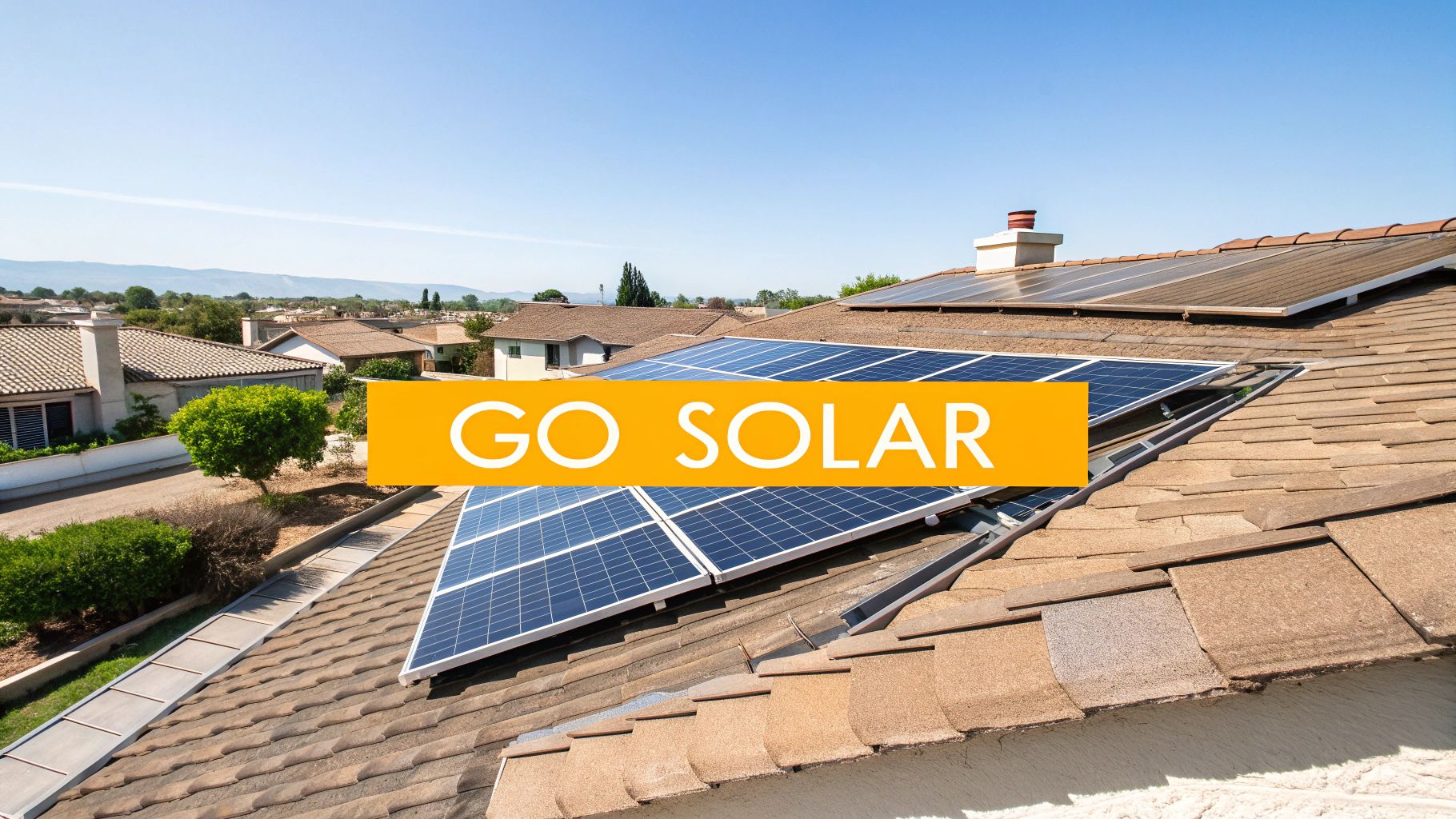
For a long-term, impactful solution, installing photovoltaic (PV) solar panels is one of the most powerful ways to reduce electric bills and achieve energy independence. This technology converts sunlight directly into usable electricity for your property, drastically decreasing your reliance on the traditional grid. The energy generated can power your home or business during the day, with excess often sold back to the utility company for credits under net metering policies.
This investment provides substantial returns, especially in high-cost energy markets like Long Island. As solar technology becomes more efficient, its adoption is surging across Suffolk and Nassau counties. Combining solar panels with battery storage systems offers energy resilience during grid failures and further independence from utility providers. Understanding the benefits of solar panels vs. traditional energy on Long Island can clarify the significant financial advantages and environmental benefits.
How to Implement Solar Panel Installation
A successful solar project requires careful planning and expert execution to maximize your savings.
- Gather Multiple Quotes: Obtain at least three detailed proposals from reputable installers like NY Essential Power to compare costs, equipment, and warranties.
- Assess Your Property: Ensure you have a south-facing roof with minimal shade for optimal sun exposure. Ground-mounted systems are an alternative if your roof is unsuitable.
- Understand Local Policies: Familiarize yourself with net metering rules in your area, as this policy dictates how you are compensated for excess energy sent to the grid.
- Investigate Incentives: Take full advantage of the 30% federal tax credit and New York State incentives, such as the NY-Sun program, to significantly lower the upfront cost of your installation.
7. Water Heating Optimization
Behind heating and cooling, water heating is typically the second-largest energy expense for homeowners and businesses, often accounting for 15-25% of total electric bills. Optimizing your water heating system is a powerful strategy to achieve significant savings. This involves a combination of adjusting current settings, improving system efficiency, and upgrading to modern, energy-conscious technology like heat pump water heaters.
The financial impact of a modern upgrade is substantial. An ENERGY STAR certified heat pump water heater can save a typical household around $3,500 over its 10-year lifespan. For a multi-family property in Brooklyn or a restaurant on Long Island, these savings multiply quickly, reducing operational costs. Many utilities in New York offer rebates for these upgrades, further sweetening the investment and accelerating your path to lower energy bills.
How to Implement Water Heating Optimization
You can begin saving immediately with simple adjustments or plan for a long-term upgrade.
- Adjust Your Thermostat: Lower your water heater’s thermostat to 120°F. This temperature is sufficient for most needs and can reduce your water heating costs by up to 10% without a noticeable difference in comfort.
- Insulate Pipes and Tank: Wrap the first few feet of hot and cold water pipes connected to the water heater with foam insulation. If you have an older tank, an insulating blanket can reduce standby heat loss by 25-45%.
- Install Low-Flow Fixtures: A simple switch to low-flow showerheads and faucet aerators is one of the easiest ways to reduce electric bills by cutting hot water consumption.
- Upgrade Strategically: When your current unit nears the end of its life, upgrade to an ENERGY STAR certified tankless or heat pump model. Check for available state and utility rebates to lower the upfront cost.
8. HVAC System Maintenance and Optimization
Your heating, ventilation, and air conditioning (HVAC) system is one of the largest energy consumers in any building. Neglecting its upkeep forces the system to work harder, consuming more electricity to maintain a comfortable temperature. Regular maintenance and optimization ensure your HVAC operates at peak efficiency, providing one of the most significant ways to reduce electric bills while extending the life of your equipment.
Simply cleaning or replacing a clogged air filter can lower your HVAC's energy consumption by 5% to 15%. For a commercial property in Brooklyn or a large home on Long Island, this simple action translates into hundreds of dollars in annual savings. Furthermore, professional duct sealing can reduce heating and cooling costs by up to 20% by preventing conditioned air from escaping into attics or basements, a common issue in many older New York homes.
How to Implement Your HVAC Optimization Plan
A proactive approach to HVAC care extends equipment lifespan and delivers consistent energy savings.
- Routine Filter Replacement: Check your air filters monthly. Replace them every 1-3 months, depending on your system's requirements and your indoor air quality needs.
- Schedule Professional Tune-Ups: Arrange for a professional HVAC service to inspect your AC in the spring and your heating system in the fall. These tune-ups can catch potential failures and optimize performance.
- Clear the Area: Keep the area around your outdoor condenser unit clear of leaves, plants, and debris. Ensure there is at least two feet of clearance for proper airflow.
- Seal and Insulate Ductwork: Air leaks in ductwork are a major source of energy waste. Hire a professional to seal duct connections with mastic sealant and insulate any ducts running through unconditioned spaces. For an in-depth assessment of your building's energy efficiency, contact our team for a comprehensive energy audit.
9. Time-of-Use (TOU) Rate Optimization
One of the most strategic ways to reduce electric bills is by aligning your energy consumption with your utility's Time-of-Use (TOU) rate plan. Under these plans, the price of electricity changes throughout the day based on demand. Utilities charge more during "peak" hours (typically summer afternoons) and significantly less during "off-peak" hours, such as overnight and on weekends. By shifting energy-intensive activities, you can lower your bill without reducing your overall energy use.
This approach offers significant savings for proactive consumers. For instance, Con Edison customers in New York who participate in TOU programs can achieve substantial savings. For a business on Long Island running heavy machinery or a family in Queens with an electric vehicle, shifting usage to cheaper off-peak windows can translate into hundreds of dollars in yearly savings, demonstrating a powerful method for managing energy costs.
How to Implement TOU Rate Optimization
Adapting to a TOU schedule requires a conscious shift in habits, but modern tools make it easier than ever.
- Know Your Schedule: First, review your utility's specific peak, mid-peak, and off-peak hours. These times vary by provider (e.g., PSEG-LI, ConEd) and season.
- Shift Major Appliances: Schedule your dishwasher, washing machine, and dryer to run during off-peak hours, often late at night.
- Charge Smart: If you own an EV, program it to charge exclusively during the cheapest off-peak periods. Similarly, run pool pumps overnight.
- Pre-Cool Your Space: On hot days, cool your home or office before peak hours begin. Then, raise the thermostat during the expensive afternoon period. For a deeper dive into energy management, you can learn more about how smart energy solutions can help on our blog.
10. Phantom Load Elimination and Smart Power Strips
One of the most insidious ways energy is wasted is through "phantom loads," also known as vampire power. This is the electricity consumed by electronics even when they are turned off or in standby mode. These devices constantly draw a small amount of power, and this can account for up to 10% of a household's electricity use. Smart power strips offer a simple yet powerful solution to this problem, automatically cutting power to devices that go into standby.
The financial impact of eliminating these phantom loads is substantial. For an average home on Long Island, strategically using smart power strips can lead to annual savings of $100 or more. For a commercial office in Manhattan with dozens of workstations, the savings multiply quickly, reducing operational overhead and improving the building's energy efficiency profile. This method is one of the most cost-effective ways to reduce electric bills with minimal effort.
How to Implement Smart Power Strips
Deploying smart power strips is a simple, plug-and-play process that yields immediate results.
- Target Entertainment Centers: Your TV, gaming console, and sound system are major phantom load culprits. A smart power strip can shut them all down completely when you turn off the TV.
- Organize Your Home Office: Use a smart strip for your computer, monitor, printer, and other peripherals. The strip can power everything down when you shut off the main computer.
- Look for Key Features: Choose strips with built-in surge protection to safeguard sensitive electronics. Brands like Belkin and Tripp Lite are popular choices recommended by programs like ENERGY STAR.
- Unplug Chargers: Even when not connected to a device, chargers for phones and laptops still draw power. Plug them into a smart strip or simply unplug them when not in use.
Comparison of 10 Ways to Cut Electric Bills
| Measure | Implementation complexity | Resource requirements | Expected outcomes | Ideal use cases | Key advantages |
|---|---|---|---|---|---|
| LED Lighting Conversion | Low — simple bulb swaps; check dimmer compatibility | Low — cost of bulbs; bulk purchases reduce price | ~10–15% of home electricity; 75–80% lighting energy reduction | High-use rooms, whole-home lighting retrofit | High efficiency, long life, low heat, quick savings |
| Smart Thermostat Installation | Medium — device install, Wi‑Fi setup, possible pro wiring | Medium — $200–$300 device, Wi‑Fi, possible HVAC technician | ~10–15% of heating/cooling costs | Central HVAC homes; occupants wanting automation and remote control | Learning schedules, remote access, energy reports, rebates |
| Home Insulation and Air Sealing | High — professional audit and installation often required | High — $1,500–$5,000+, materials & labor | ~15–20% on heating/cooling; largest comfort gains | Older homes, high heat loss (attics, basements) | Major comfort improvement, energy tax credits, long-term savings |
| Window Upgrades and Treatment | Medium–High — window replacement is disruptive; treatments are easy | Medium–High — $300–$900 per window installed; low-cost treatments available | ~7–15% on heating/cooling | Homes with single-pane or leaky windows; south/west exposures | Improved comfort, noise reduction, UV protection, increased home value |
| Energy‑Efficient Appliance Replacement | Medium — purchase, delivery, possible electrical/plumbing work | Medium–High — $400–$2,500+ per appliance; rebates available | Varies by appliance (e.g., fridge $15–40/yr; washer $35–75/yr) | Homes with old/high-usage appliances | Lifetime energy savings, better performance, utility rebates |
| Solar Panel Installation | High — site assessment, permits, roof suitability, installer | Very high — $15,000–$25,000 before incentives; optional batteries | 50–100% of electricity costs (location/system dependent) | Sunny, south-facing roofs; high electric rates; long-term owners | Large bill reduction, federal tax credits, increased home value |
| Water Heating Optimization | Low–Medium — simple fixes to full equipment upgrades | Low–Medium — $0–$3,000+ (insulation/temperature change cheap; heat pump costly) | 3–5% total energy (temp adjust); 24–50% with efficient equipment | Homes with older water heaters or high hot-water demand | Fast payback, safety (lower temps), large gains with heat pumps/tankless |
| HVAC System Maintenance & Optimization | Low–Medium — routine DIY tasks + periodic professional tune-ups | Low — $100–$500/yr; additional for duct sealing or repairs | 5–15% efficiency improvement; 10–20% with duct sealing | Any home with forced-air HVAC; pre‑season maintenance | Low cost, extends equipment life, improves IAQ and reliability |
| Time‑of‑Use (TOU) Rate Optimization | Low — behavioral change or automation via timers/smart devices | Low — no equipment required; optional smart devices for automation | 10–30% if load is shifted successfully | Homes with flexible schedules, EV charging, shiftable loads | No capital outlay, leverages rate structure for savings, grid benefits |
| Phantom Load Elimination & Smart Power Strips | Low — plug‑and‑play installation | Low — $15–$60 per strip | ~5–10% of household electricity; $10–20/month typical | Entertainment centers, home offices, areas with many standby devices | Immediate savings, easy deployment, surge protection and automation |
Your Path to Energy Independence Starts Now
Navigating the landscape of energy consumption can feel overwhelming, but a powerful combination of smart habits and strategic investments can drastically slash your electricity costs. You now have a comprehensive toolkit filled with actionable ways to reduce electric bills, tailored for the unique energy market of Long Island and the greater New York area. From immediate, low-cost fixes to foundational home improvements, each strategy empowers you to take control.
From Incremental Savings to Total Energy Control
While individual adjustments offer significant savings, they represent steps along a larger journey. The ultimate goal for many homeowners and commercial property managers in Suffolk and Nassau counties is not just to manage high energy costs but to achieve true energy independence. This means moving from reacting to utility rate hikes to proactively controlling your energy future. The most transformative step on this path is generating your own clean, reliable power with a solar panel system. This single investment provides a permanent solution, maximizing your savings and delivering energy resilience.
- Maximize Your Savings: Imagine your monthly utility bill dropping to near zero or even receiving credits for the excess energy you produce.
- Achieve Energy Resilience: Pair your system with battery storage to keep your lights on and business running during grid outages—a critical advantage during severe weather events common to our region.
- Boost Property Value: A solar installation is a significant asset that increases the market value and appeal of your home or commercial building.
The journey from high electric bills to energy freedom begins with an informed decision. By combining efficiency upgrades with clean energy generation, you are not just cutting costs; you are investing in a more sustainable, resilient, and financially secure future for your property.
Ready to take the ultimate step in eliminating high electric bills and securing your energy independence? The expert team at NYS Essential Power designs and installs custom solar and battery storage solutions for homes and businesses across New York. Contact us today for a free, no-obligation quote and discover how you can take control of your power.